
When Dr. Zarrin Azadi founded Shining Soul Institute after surviving cancer four times, she understood something crucial: cancer patients need more than medical treatment—they need a community they can trust.
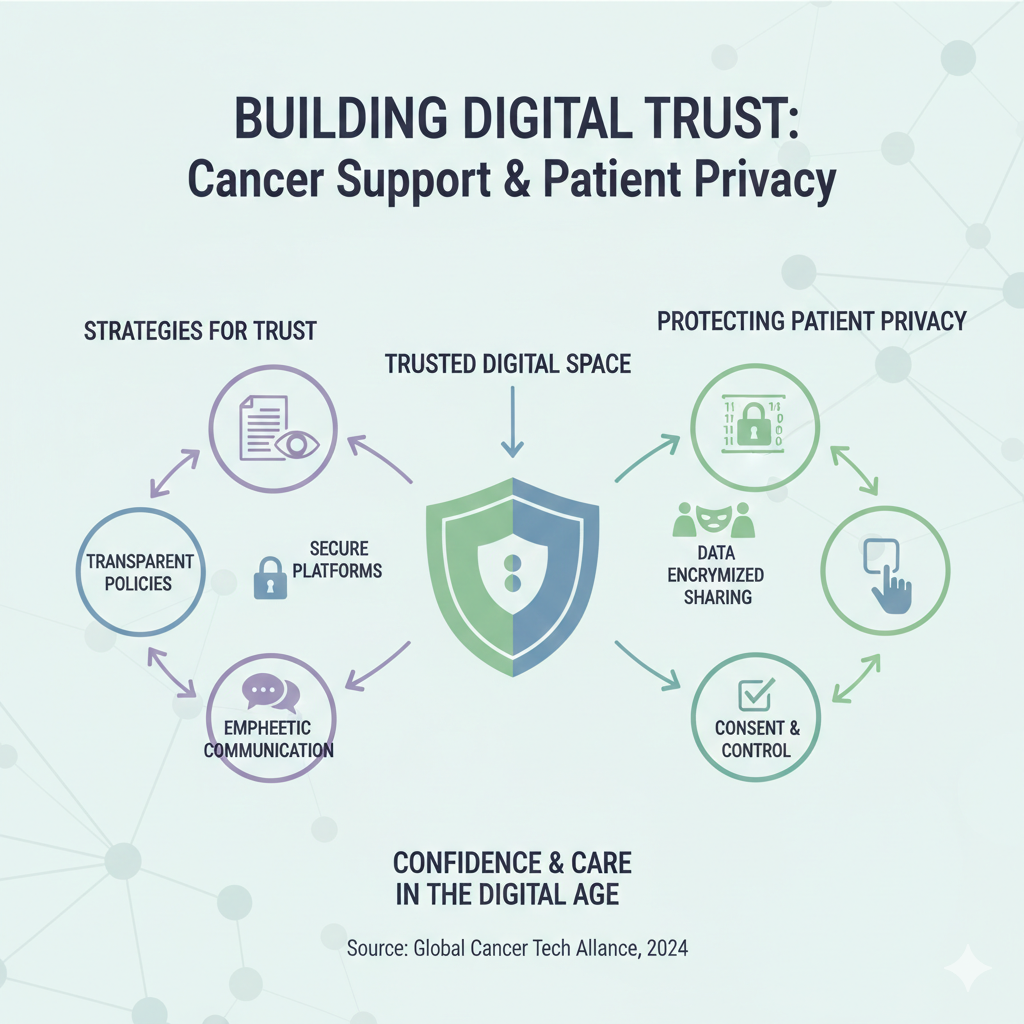
But in today’s digital landscape, building that trust while protecting vulnerable individuals’ privacy presents unique challenges for healthcare nonprofits.
The Trust Paradox in Healthcare Nonprofits
Cancer support organizations face a delicate balance. On one hand, they need a visible online presence to reach patients desperately searching for help at 2 AM when panic sets in. On the other hand, they must protect patient confidentiality and create safe spaces for people navigating the most vulnerable moments of their lives.
Traditional marketing advice tells nonprofits to “build your email list” and “capture every lead.” But for organizations supporting cancer patients and their families, aggressive data collection can feel invasive. When someone’s just received a devastating diagnosis, the last thing they want is another organization harvesting their personal information.
This is where smart digital strategy diverges from typical nonprofit playbooks.
Creating Low-Barrier Entry Points
The most effective cancer support organizations create multiple entry points with varying privacy thresholds. Someone who’s newly diagnosed might not be ready to share their personal email address—they’re still processing, possibly in shock, definitely overwhelmed.
Consider offering initial resources without requiring full registration. Educational webinars, downloadable guides about what to expect during treatment, or simple checklists for organizing medical appointments—these serve immediate value without demanding personal data up front.
For those who want to explore their community resources anonymously, consider acknowledging that temporary email addresses exist, and that’s okay. When someone uses a disposable email for their first interaction, they’re testing the waters. They’re asking: “Is this organization legitimate? Will they respect my boundaries? Can I trust them with my story?”
That first interaction, even if anonymous, can open the door to deeper engagement once trust is established.
The Business Name That Signals Safety
Your organization’s name carries weight, especially in the healthcare space. Shining Soul Institute communicates hope and healing—two things cancer patients desperately seek. But how do you know if your nonprofit’s name resonates or gets lost in the noise?
Before finalizing any organizational rebrand or program name, smart nonprofits check how many similar names exist in the space. When you’re called “Hope Cancer Foundation,” and there are 47 organizations with nearly identical names, you’ll struggle with search visibility and brand recognition. Patients searching for your specific organization might land on someone else’s site entirely.
Tools exist specifically to analyze name uniqueness, helping nonprofits understand their competitive landscape before committing to branding. It’s the due diligence that prevents confusion and ensures your life-saving resources reach the right people.
Building Your Digital Foundation Properly
Once you have a clear brand identity, technical infrastructure matters more than most nonprofits realize. When a newly diagnosed patient Googles “emotional support for cancer patients near me,” does your organization appear? If your website isn’t properly indexed by search engines, you’re invisible to the people who need you most.
This is where many small nonprofits stumble. They build beautiful websites with compelling stories but forget the behind-the-scenes technical setup that makes those sites discoverable. Creating proper sitemaps—essentially roadmaps that help search engines understand your site structure—is foundational SEO work that gets overlooked.
The irony is painful: organizations doing transformative work remain hidden because they skipped basic technical steps. A cancer patient’s spouse, frantically searching for caregiver support at midnight, can’t find your perfectly designed resources because you never submitted a sitemap to Google.
Privacy-First Communication Strategies
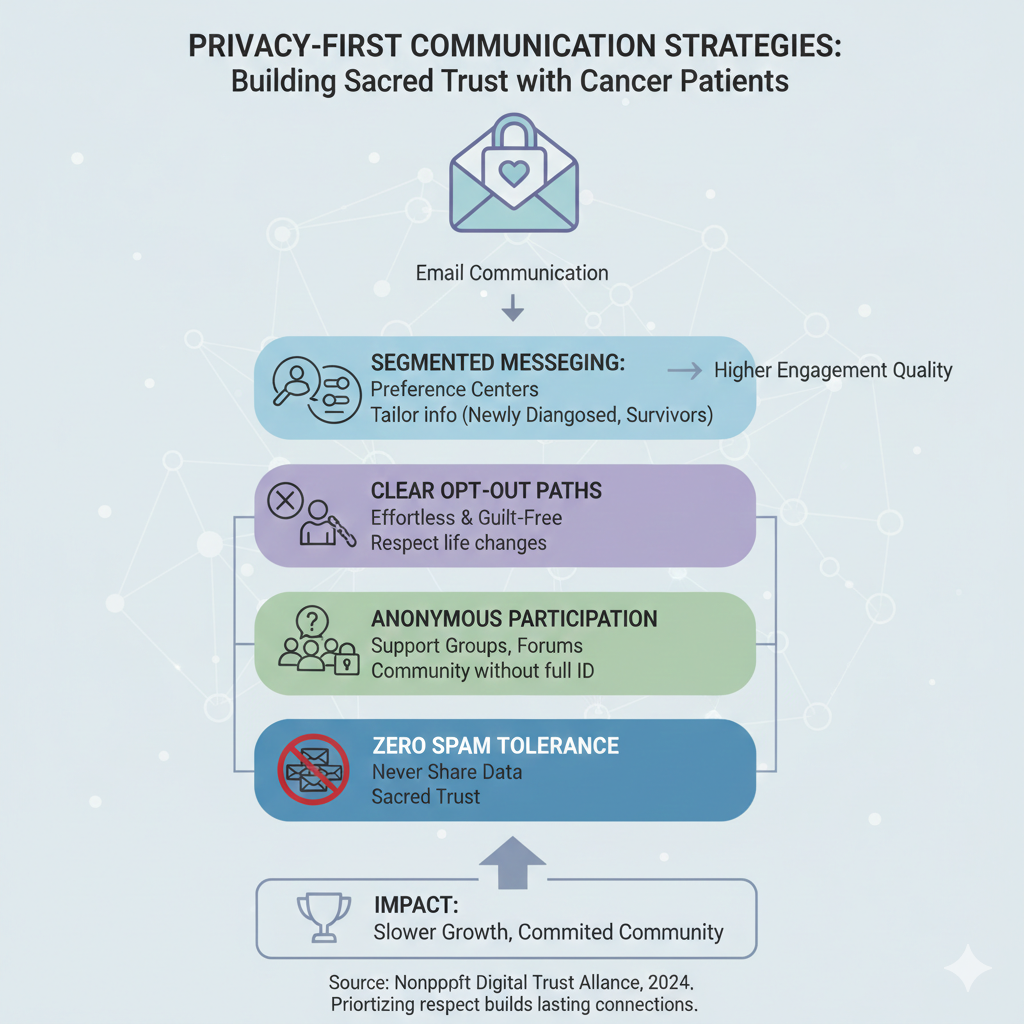
Email remains the backbone of nonprofit communication, but cancer support organizations should approach it differently from typical nonprofits. Consider these privacy-conscious strategies:
Segmented Messaging: Not everyone wants the same information. Newly diagnosed patients need different resources than five-year survivors. Create preference centers where people control exactly what they receive.
Clear Opt-Out Paths: Make unsubscribing effortless and guilt-free. Someone’s treatment might have ended, or their loved one may have passed. They shouldn’t have to endure painful reminders.
Anonymous Participation Options: For support groups, online forums, or workshop registrations, allow participation without requiring personal emails. Some people need community but aren’t ready to fully identify themselves.
Zero Spam Tolerance: Healthcare nonprofits should never rent, sell, or share email lists. Period. When someone shares their contact information during a health crisis, that’s sacred trust.
This privacy-first approach might mean slower list growth, but the engagement quality skyrockets. People who voluntarily share their information—after experiencing your value firsthand—become your most committed community members.
The Technical Security Reality
Healthcare organizations, even nonprofits, must take data security seriously. HIPAA compliance isn’t optional, and the consequences of data breaches extend beyond fines—they shatter the trust that took years to build.
This creates interesting challenges around email verification and user validation. How do you confirm someone’s legitimate interest without creating barriers? How do you filter out spam submissions without excluding people who understandably want privacy?
The solution involves layered verification. Initial engagement can be low-friction and anonymous. As someone moves deeper into your community—perhaps joining a private support group or scheduling a one-on-one consultation—verification naturally increases. But that progression should feel protective, not invasive.
Some organizations struggle with fake signups or spam contaminating their databases. While it’s important to maintain data quality, the solution isn’t aggressive verification at every touchpoint. Instead, implement smart backend filtering that happens invisibly, without creating obstacles for genuine users.
Content Strategy for Maximum Impact
Cancer support nonprofits often sit on goldmines of valuable content they’re not leveraging. Dr. Azadi’s four cancer diagnoses and survivorship journey contains lessons countless others need. But that expertise only helps if people can find it.
Content strategy should answer the questions patients actually ask Google:
- “What do I do first after cancer diagnosis?”
- “How to support someone going through chemo”
- “Emotional impact of cancer on family”
- “Cancer survivor mentorship programs”
- “Free emotional support for cancer patients”
Each piece of educational content serves double duty: providing immediate value to readers while improving search visibility for others asking similar questions. This isn’t manipulation—it’s meeting people where they’re already searching.
The key is authenticity. Cancer patients can smell promotional content a mile away. They need real stories, practical advice, and genuine support—not corporate speak or funding appeals disguised as help.
Community Building Without Over-Sharing
Support communities save lives. Knowing you’re not alone in your fear, your anger, your grief—that connection sustains people through treatment’s darkest moments. But building online communities around health crises requires tremendous care.
Some best practices:
- Moderated Spaces: Professional oversight ensures safety without stifling authentic sharing
- Clear Community Guidelines: People need to know what’s acceptable before they share vulnerable details
- Private Options: Not everyone wants their cancer journey publicly documented
- Member Validation: Light verification prevents bad actors without creating barriers
The goal is creating spaces where someone can say “I’m terrified my kids will see me weak” and receive compassion, not judgment. Where “my marriage is falling apart” gets met with resources, not platitudes.
Measuring What Matters
Nonprofits face constant pressure to report metrics to donors and boards. But cancer support organizations should resist vanity metrics. Who cares if you have 50,000 email subscribers if none of them open your messages or engage with your programs?
Better metrics:
- Support group participation rates
- Resource download and usage
- Consultation requests and completion
- Community member retention
- Qualitative feedback about life impact
One person whose life you genuinely improve through emotional support during their cancer journey is worth more than 1,000 disengaged email subscribers. Track what demonstrates actual impact, not just activity.
The Long View: Sustainable Impact
Dr. Azadi founded Shining Soul Institute in 2004, and it has conducted over 1,000 seminars serving cancer patients worldwide. That longevity comes from sustainable practices—not burning through resources chasing quick wins, but building systems that compound over time.
Digital presence should follow the same principle. Small, consistent improvements to search visibility, content quality, and community engagement create compounding returns. An educational blog post written today might provide comfort to someone three years from now during their darkest moment.
This long-term perspective lets you resist the temptation of growth hacks and aggressive tactics. Instead, you build a foundation, layer upon layer, creating an organization that will still be serving patients decades from now.
Because that’s what cancer patients need—not flash-in-the-pan viral campaigns, but steady, reliable support they can count on throughout their entire journey from diagnosis through survival or end-of-life care.
Trust, privacy, and genuine help—these aren’t marketing strategies. They’re the foundation of effective cancer support organizations in the digital age.